Best Way to Follow Up on an Email Without Being Annoying
The best way to follow up on an email is short, timed right, and adds something new. Here's the exact timing and wording that works.
 folk team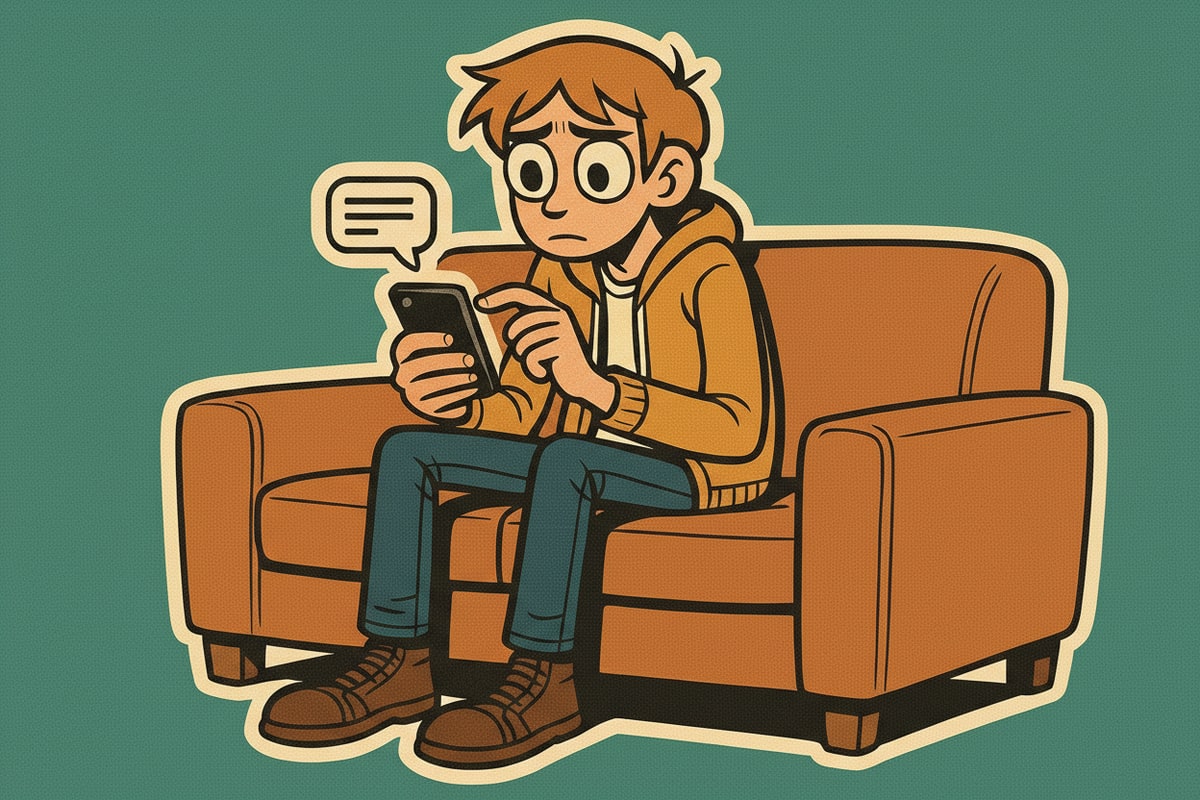
You sent the email. Three days passed. Now you're staring at the thread trying to figure out if a follow-up makes you look on top of things or makes you look needy.
Most people resolve this by doing nothing. The email sits, the task quietly stalls, and eventually you either forget about it or send something apologetic that starts with "sorry to bother you again." Neither is great: the first drops the ball, the second undersells you before you've even asked the question.
There's a version of a follow-up that doesn't do either. It's short, timed to when the recipient is actually likely to act, and it adds something rather than just repeating the ask. This guide covers the timing, the wording, and how folk handles the reminding part so the follow-up itself is the only thing left to think about.
Quick answer: The best follow-up email is short, sent two to five business days after the original (longer for a job application, shorter if it's time-sensitive), and it adds one new detail or asks a specific question instead of just repeating what you already said. Skip the apology for following up. folk, the personal AI assistant that lives in your texts, can track who you're still waiting on and draft the follow-up for your approval so it never depends on you remembering.
How long should you wait before following up on an email?
There's no universal number, but the range narrows a lot once you know what kind of email it is:
- Time-sensitive asks (a deal, a booking, an approaching deadline): 24 to 48 hours.
- Most work and personal email (a vendor, a landlord, a client, a favor): two to five business days.
- Job applications: five to seven days, since hiring processes move slower than most other email.
- After an interview: 24 to 48 hours for a thank-you note, then the standard window if there's still no word. See how to follow up after a job interview for the full timing and wording.
Under 48 hours for anything non-urgent tends to read as impatient. Past a week or two, the thread has usually gone cold enough that a follow-up needs to re-establish context rather than just nudge.
What should you actually say in a follow-up email?
Three moves make a follow-up land instead of annoy:
- Reference the original in one line. "Following up on the invoice from Tuesday" does the job. You don't need to restate the whole request.
- Add something new if you can. A deadline that's now closer, a detail you forgot, or context that makes it easier to answer. A follow-up that's purely "checking in" gives the recipient nothing extra to respond to.
- Ask a narrow question. "Does Thursday still work, or should we push to next week?" is easier to answer in ten seconds than "just wanted to follow up on this." Open-ended follow-ups get ignored for the same reason the original email did: they take effort to respond to.
Cut the apology. "Sorry to bother you" and "I know you're busy" both spend words undermining a message that hasn't even made its ask yet.
How many follow-ups is too many?
Two to three is the range worth aiming for. Data from sales-email benchmarking is the clearest evidence available on this, and even though it's drawn from cold outreach rather than personal email, the pattern holds generally: Woodpecker's analysis of follow-up campaigns found the first follow-up alone lifts reply rates roughly 40% over a single email with no follow-up, while a campaign with at least one follow-up converts about 22% more than one without. The gains from a second or third follow-up are real but smaller, and by the fifth or sixth, response-rate benchmarks tracking hundreds of companies put the reply rate down near 7%, a fraction of where the first follow-up lands.
The practical read: your first follow-up does most of the work. If two or three specific, well-timed follow-ups get nothing back, that's usually your answer, not a sign to send a fourth.
Why do follow-ups actually work at all?
Because most unanswered email isn't a "no," it's a "not right now" that never got revisited. Inboxes bury things fast, and a message that was easy to act on Tuesday can be three screens down by Thursday. A well-timed follow-up isn't nagging, it's just resurfacing something that was never actually declined.
How folk follows up without you having to remember
folk is a personal AI assistant that lives in your texts, iMessage, Telegram, and WhatsApp, with the same memory across all three. Once your inbox is connected, following up stops being something you have to hold in your head:
- It notices who hasn't replied. Ask folk something like "did the landlord ever get back to me" and it checks the thread instead of you scrolling for it.
- It nudges you, not them. folk's proactive follow-ups remind YOU when it's a good time to check back on something, they never message anyone else on your behalf. See reminders for how the nudging and snooze/stop controls work.
- It drafts the follow-up. Using the thread's context, folk writes the message in your voice and waits for your approval before anything sends. See connecting apps for linking Gmail or Outlook.
- It remembers the history. Because folk keeps memory of what you've already told someone, a follow-up two weeks later still sounds like a continuation, not a cold restart.
The whole loop happens in the same thread you already text folk in, so a follow-up you meant to send doesn't quietly disappear into an open tab.
The bottom line
A good follow-up is short, timed to the situation, and gives the recipient something new to respond to rather than a repeat of the original ask. Two or three of those, spaced a few days apart, will get you further than either silence or a fourth apologetic nudge.
If you'd rather not track who's still waiting on a reply in your head, get started with folk and connect your inbox. It's the same assistant that already reads and answers your email and catches a double-booked calendar, so the follow-up you keep meaning to send stops depending on you remembering it. And if you want the reminder mechanics specifically, here's how to set one up, from Gmail's Nudges to a text that just tells you.
meet folk
The personal AI that lives in your texts - iMessage, Telegram, and WhatsApp. Free to start.